

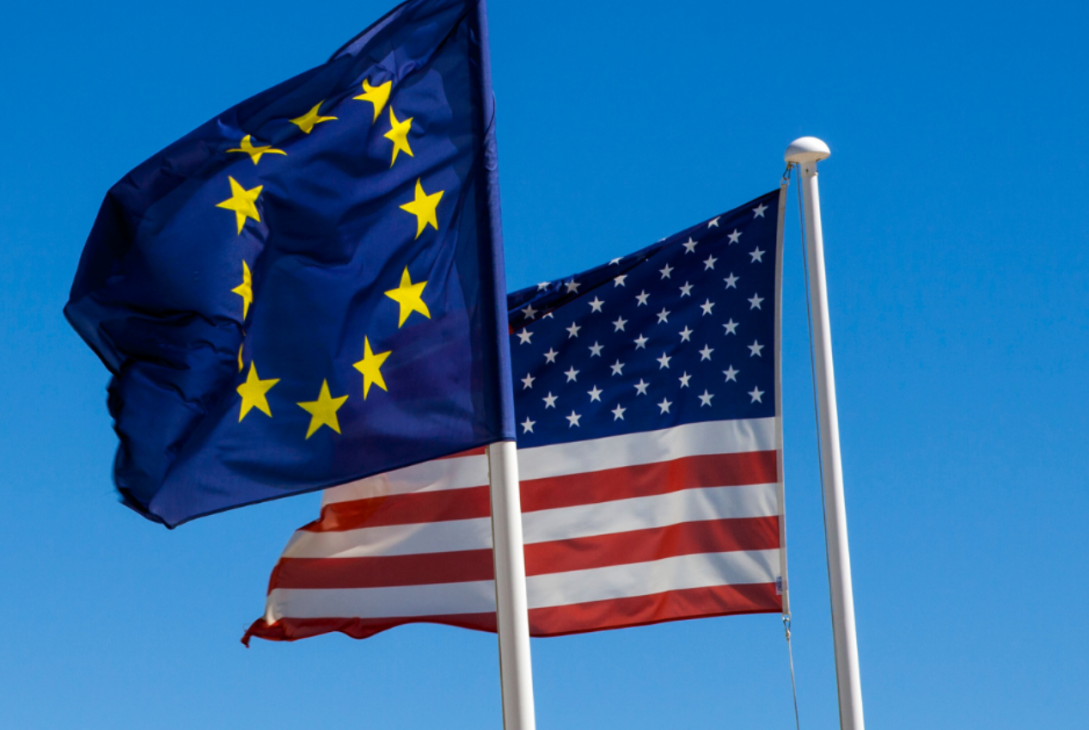
Tariffs between the United States and Europe have returned to the center of global economic debate. Once viewed mainly as technical trade tools, tariffs are now increasingly used as strategic instruments—shaping supply chains, influencing geopolitics, and redefining transatlantic relations.
What is unfolding is not a traditional trade war, but a more subtle struggle over industrial power, economic security, and global influence.
The Roots of Transatlantic Tariff Tensions
Tariff disputes between Washington and Brussels have multiple origins. Key sectors such as steel, aluminum, aviation, automobiles, agriculture, and clean technology have repeatedly become flashpoints.
The United States has often justified tariffs on grounds of:
- national security,
- protection of domestic industries,
- and correction of trade imbalances.
Europe, in response, has argued that such measures violate international trade rules and undermine the principles of free and fair competition.
Europe’s Strategic Response
Rather than escalating aggressively, Europe has pursued a measured and strategic response. This approach includes:
- targeted counter-tariffs on politically sensitive U.S. exports,
- legal challenges through international trade mechanisms,
- and diplomatic efforts to keep broader economic cooperation intact.
The goal has been to defend European industries without triggering a full-scale trade conflict that could harm both economies.
Economic Impact on Businesses and Consumers
Tariffs inevitably raise costs across the economy. For businesses, this means:
- higher input prices,
- disrupted supply chains,
- increased uncertainty for investment decisions.
For consumers, tariffs often translate into higher prices and fewer choices, particularly in industries where cross-border trade is deeply integrated.
Small and medium-sized enterprises are especially vulnerable, as they have less flexibility to absorb rising costs or shift production.
Tariffs as a Geopolitical Tool
Beyond economics, tariffs have become part of a broader geopolitical strategy. Both the U.S. and Europe are seeking to:
- secure critical supply chains,
- reduce dependence on strategic rivals,
- and protect emerging technologies.
In this context, trade policy is closely linked to issues such as industrial subsidies, climate policy, and technological leadership.
The Global Consequences
Transatlantic tariff disputes send strong signals to global markets. When two of the world’s largest economies impose barriers on each other, the effects ripple through:
- global manufacturing networks,
- commodity markets,
- and emerging economies reliant on stable trade flows.
The risk is not only slower growth, but a gradual fragmentation of the global trading system.
What Comes Next?
Despite ongoing tensions, both sides recognize that cooperation remains essential. Negotiations continue around:
- reducing tariff uncertainty,
- aligning industrial standards,
- and strengthening supply chain resilience.
However, as long as economic security remains a top political priority, tariffs are likely to remain a permanent feature of U.S.–Europe relations, not a temporary exception.
Conclusion
The tariff relationship between the United States and Europe reflects a broader shift in global economics: trade is no longer just about efficiency—it is about power.
How both sides manage these tensions will shape not only their own economies, but the future structure of international trade itself.